When temperatures plummet, your furnace is your primary defense against the chill. But when that defense falters, you might notice your system starting and stopping every few minutes instead of providing steady warmth.
This means that you’re likely dealing with short cycling. Below, we explore why this happens and how to fix it before it leads to spiked energy bills or a total system breakdown.
What Exactly is Short Cycling?
Short cycling occurs when the furnace shuts down prematurely before reaching the temperature set on your thermostat. Because the house hasn’t actually reached the desired warmth, the unit quickly kicks back on again, creating a repetitive, stressful loop for your equipment.
Why Short Cycling is a Problem
Short cycling is more than just a nuisance. If left unaddressed, it can lead to:
- Higher Energy Bills: Starting a furnace requires more energy than letting it run. Frequent starts spike your gas and electricity consumption.
- Uneven Comfort: Your home will have cold spots because the air isn’t circulating long enough to reach every room.
- Increased Wear and Tear: Constant stopping and starting puts immense strain on internal components, leading to expensive repairs.
- Shortened System Lifespan: A furnace that short cycles will likely fail years earlier than a well functioning unit.
Common Causes and Solutions
1. Dirty or Clogged Air Filters
This is the most common cause of short cycling. Your furnace needs a steady flow of air to operate. If the filter is clogged with dust, the furnace can overheat. When the internal sensors detect excessive heat, they trigger a safety shutoff.
- The Solution: Check your filter. If it looks grey or dusty, replace it immediately. We recommend changing filters every one to three months.
2. Thermostat Issues
Sometimes the furnace is fine, but the “brain” of the system is confused. If your thermostat is located near a heat source, such as a sunny window or a space heater, it may think the house is warm enough and shut the furnace off. Low batteries or old wiring can also cause erratic signaling.
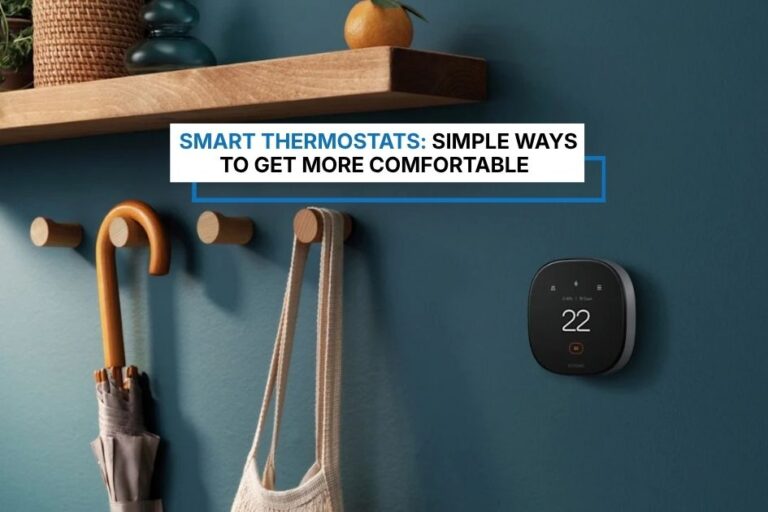
- The Solution: Ensure your thermostat is on an interior wall away from drafts and direct sunlight. Try replacing the batteries or upgrading to a smart thermostat for better accuracy.
3. Blocked Exhaust Vents
Your furnace must vent exhaust gases safely outside. If the flue pipe or exhaust vent is blocked by snow or ice, the system will shut down to prevent dangerous carbon monoxide buildup.
- The Solution: Periodically check your exterior vents to ensure they are clear of debris or snow drifts.
4. A Faulty Limit Switch
The limit switch is a safety device that tells the furnace to shut off if it gets too hot. If this switch is broken or malfunctioning, it might “think” the furnace is overheating even when it isn’t, causing it to kill the power prematurely.
- The Solution: This requires a professional technician to test the switch and replace it if necessary.
5. An Oversized Furnace
Surprisingly, a furnace that is “too powerful” for your home is a bad thing. If the unit is too large, it will blast the house with heat so quickly that it reaches the thermostat setting in minutes and shuts off. This prevents proper humidity control and leads to constant cycling.
- The Solution: If your furnace has short cycled since the day it was installed, it may be incorrectly sized. A Team Harding expert can perform a heat load calculation to determine the right fit for your home.
When to Call Team Harding
While changing a filter is a great first step, many causes of short cycling involve internal components like the heat exchanger or limit switch. If a fresh filter doesn’t solve the problem, it is time to call in the pros. Regular maintenance is the best way to prevent these issues before they start.