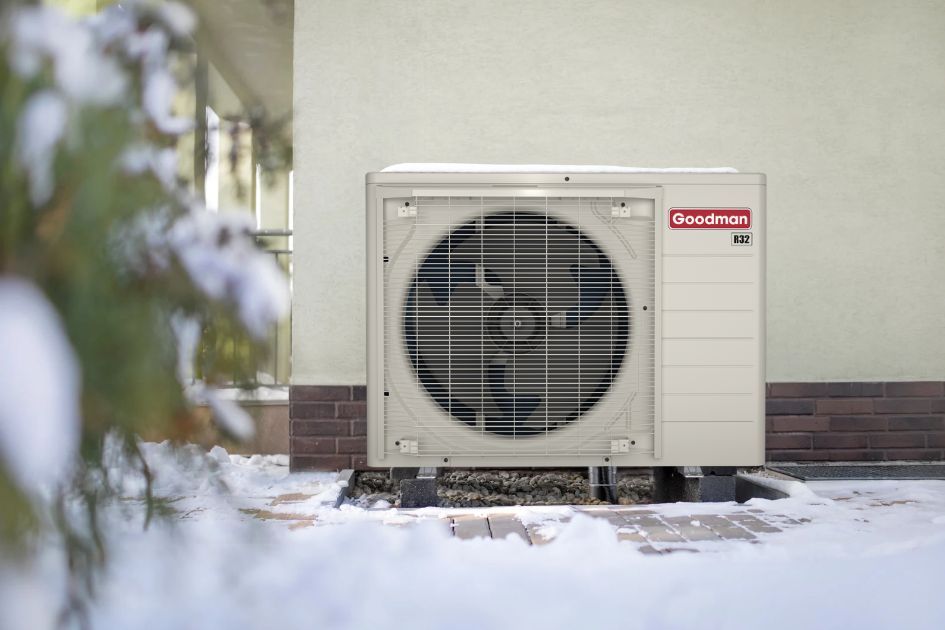
You’re halfway through your morning coffee when you glance outside and spot a white coating on your heat pump. Great. One more thing to scrape before work? Not so fast. A little frost is normal, and your heat pump usually knows what to do about it. Thick ice that sticks around, though, is a different story. Here’s how to tell normal winter frost from heat pump ice buildup that needs attention, and what you can do after Ottawa’s next round of snow, sleet or both.
A Little Frost Never Hurt
Even on a cold day, your heat pump pulls heat from outdoor air. To do that, its outdoor coil gets colder than the air around it. When moisture in the air hits that cold surface, it can collect and freeze. Think of the condensation on a glass of iced water, only cold enough to turn white.
You might notice more frost on damp days near freezing than on dry, bitterly cold ones. A light coating that clears during defrost is part of normal operation. You don’t need to brush it off or do anything at the thermostat.
Is That Steam Coming From Your Heat Pump?
That little cloud outside can look dramatic, especially if you’ve never seen it before. During the heat pump defrost cycle, the system briefly warms the outdoor coil to melt the frost. You might see a cloud of water vapour rise or notice water dripping beneath the unit.
The outdoor fan may pause, and you might hear a brief whoosh as the system switches modes. Depending on your setup, the air from your indoor vents might feel cooler for a short time. Once defrost ends, your heat pump should go back to heating. No need to chase it with the thermostat.
Give Your Heat Pump Some Breathing Room
Your outdoor unit needs air to move freely around it. After a snowfall, clear loose snow from the space around the unit, especially where it tends to drift. Check your owner’s manual for the clearances your model needs instead of guessing.
Check again after you shovel or the plow comes through. A freshly cleared driveway doesn’t help if the snowbank ends up against the heat pump. Leave room for meltwater to drain, too. If a gutter regularly drips onto the unit or snow and ice slide off the roof above it, ask your installer about a fix that won’t block airflow.
What Not to Do When Your Heat Pump Freezes
If you’re staring at a frozen heat pump, resist the urge to treat it like your windshield.
- Don’t scrape or chip the ice. A scraper or shovel can bend the coil’s delicate fins or damage the tubing.
- Don’t pour hot water on it. The runoff can refreeze around the unit and leave you with more ice than you started with.
- Don’t wrap it in a tarp or cover it while it’s running. It needs airflow, not a winter coat. Keep snowbanks away from it for the same reason.
When Is Ice a Sign of Trouble?
The best clue is what happens after defrost. If a thick layer of ice stays put or keeps growing from one cycle to the next, call an HVAC technician. The same goes if your heat pump repeatedly goes into defrost without clearing the buildup, or if your home can’t reach the temperature you’ve set.
A brief whoosh is one thing. Grinding, repeated banging or the sound of the fan hitting ice is another. If the fan is striking ice, turn the heat pump off at the thermostat and call for service. If it’s safe to take a photo from a distance, it can help show the technician what you’re seeing.
Keep the Chill Outside Where It Belongs
A quick look after a storm and routine maintenance go a long way. Light frost that clears on its own? Go ahead and finish that coffee. Ice that won’t budge, or a house that won’t warm up? Schedule heat pump maintenance or repair with Team Harding. If you’re not sure what you’re seeing, ask us. We’ll help you figure out what’s normal and what needs a closer look.