







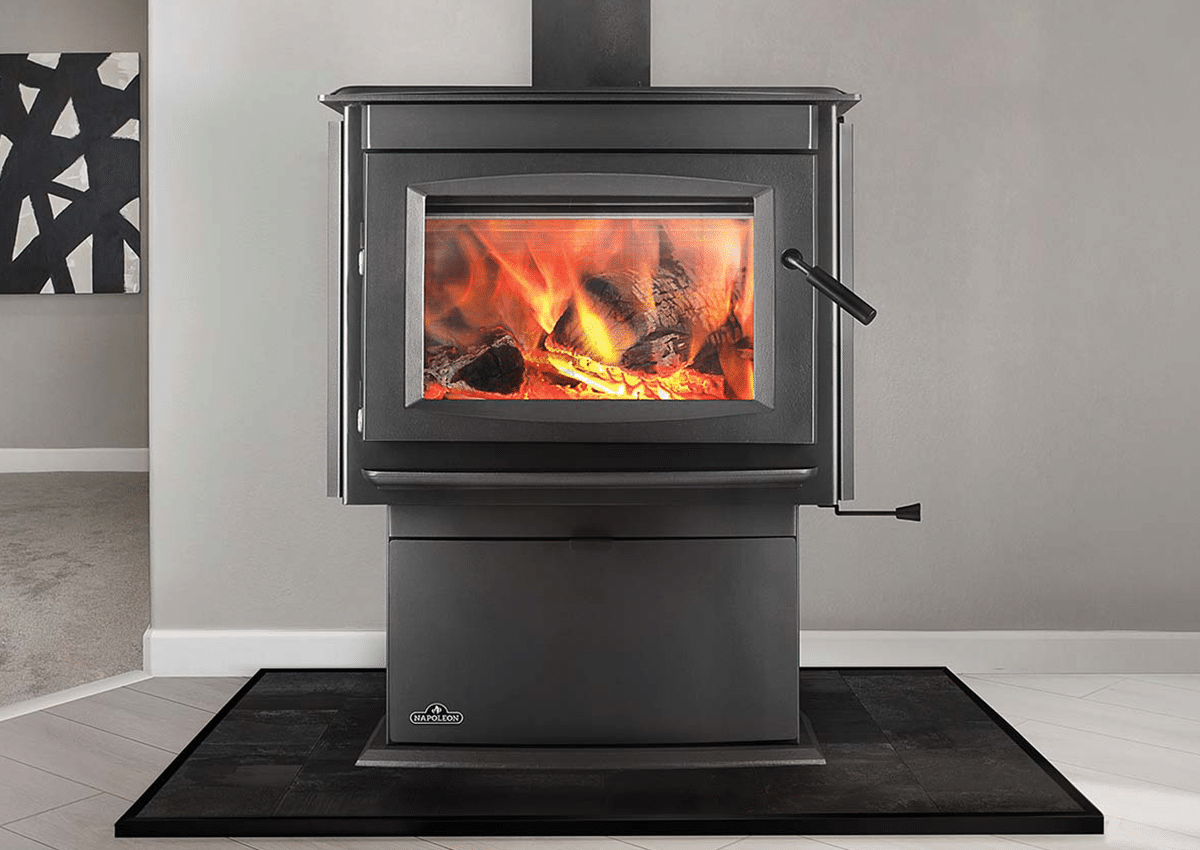
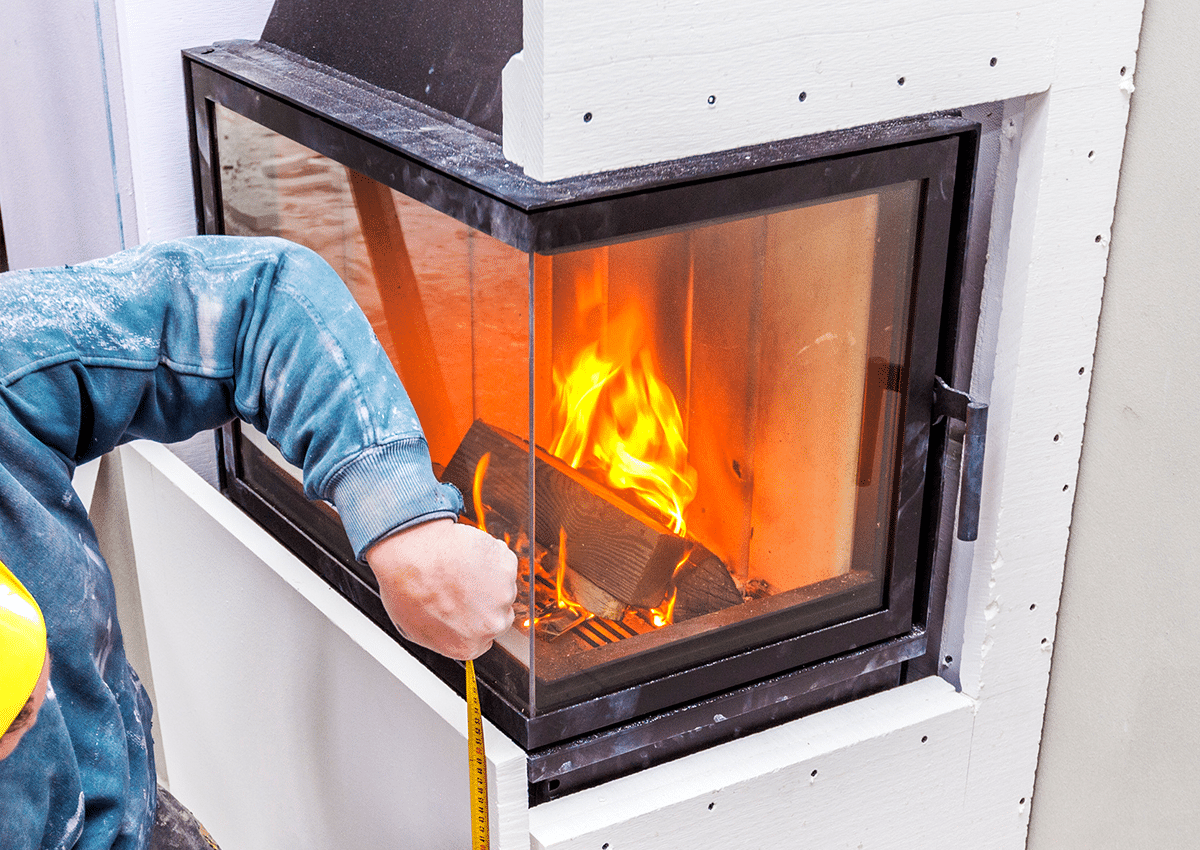


















There is an undeniable appeal to the crackle of a wood-burning fireplace. It provides a level of comfort and warmth that defines the winter season. However, for many homeowners, this cozy atmosphere is often accompanied by red eyes, a runny nose, or persistent sneezing.
If you have found yourself wondering if your fireplace is contributing to your allergies or asthma, the answer is likely yes. Here’s what you should know.
The Science of Wood Smoke
Even when a fireplace is properly maintained, burning wood releases fine particulate matter into the air. These microscopic particles can bypass the body’s natural defenses and enter the respiratory system.
- Health Risks: For those with asthma or allergic rhinitis, wood smoke can act as a significant trigger.
- Chemical Irritants: Wood smoke contains substances such as formaldehyde, benzene, and methane. While the scent of a fire is nostalgic, long-term exposure to these toxins can affect lung health, particularly in children, the elderly, and those with heart conditions.
Strategies for a Healthier Wood-Burning Experience
If you prefer a traditional wood fire, you can take specific steps to minimize the impact on your indoor air quality:
1. Prioritize Properly Seasoned Wood
Burning “green” or wet wood is inefficient and produces excessive smoke.
- Plan Ahead: Ideally, wood should be cut, split, and stacked for a full year before use.
- Select Hardwoods: Species like oak, elm, and maple are denser than softwoods. They burn longer and hotter, which results in a cleaner fire with fewer emissions.
2. Improve Fireplace Containment
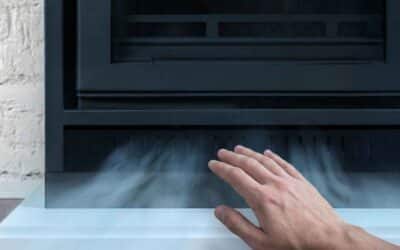
A simple mesh screen is often insufficient for keeping smoke out of your living space. Replacing a screen with tight-fitting glass doors offers two main benefits: it regulates the airflow for a more efficient burn and creates a physical barrier that prevents smoke from spilling into the room.
3. Optimize Ventilation and Maintenance
- The Damper: Always ensure the damper is fully open during operation to allow smoke to escape efficiently.
- Routine Inspections: Annual fireplace cleanings are essential. Removing soot and creosote buildup ensures proper drafting and reduces the risk of smoke backup.
- Ash Management: Regularly clear out the firebox once the ashes have cooled. Fine ash can easily become airborne and irritate sensitive respiratory tracts.
Modern Alternatives for Allergy Sufferers
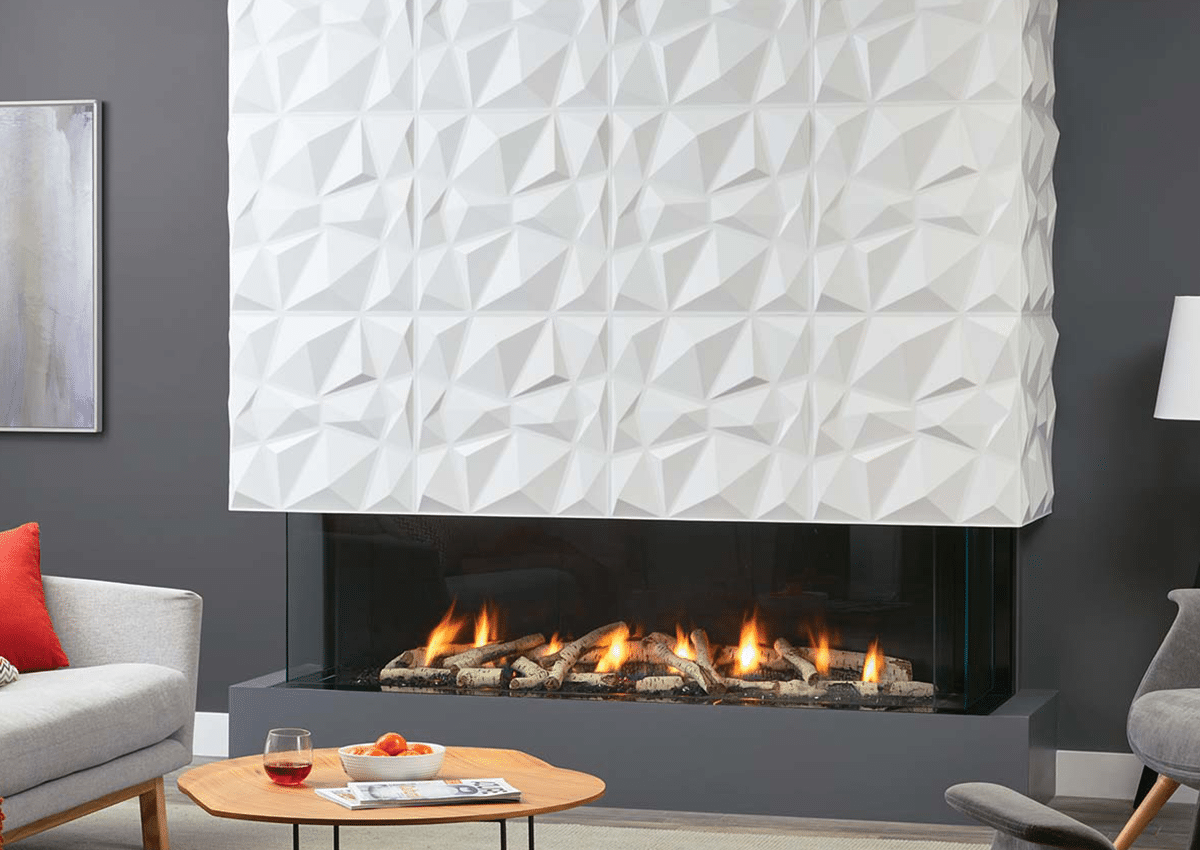
For households with severe asthma or allergies, transitioning to a cleaner fuel source is often the most effective solution.
- Gas Fireplaces and Inserts: These systems typically use sealed combustion technology. By drawing air from the outdoors and venting exhaust directly back outside, they keep the combustion process entirely separate from your indoor air.
- Electric Fireplaces: These units are ideal for those with high respiratory sensitivity. Because there is no actual combustion, there is zero smoke or particulate matter produced. They offer the visual appeal of a fire with total air quality safety.
Pro-Tip: Enhance Your Air Filtration
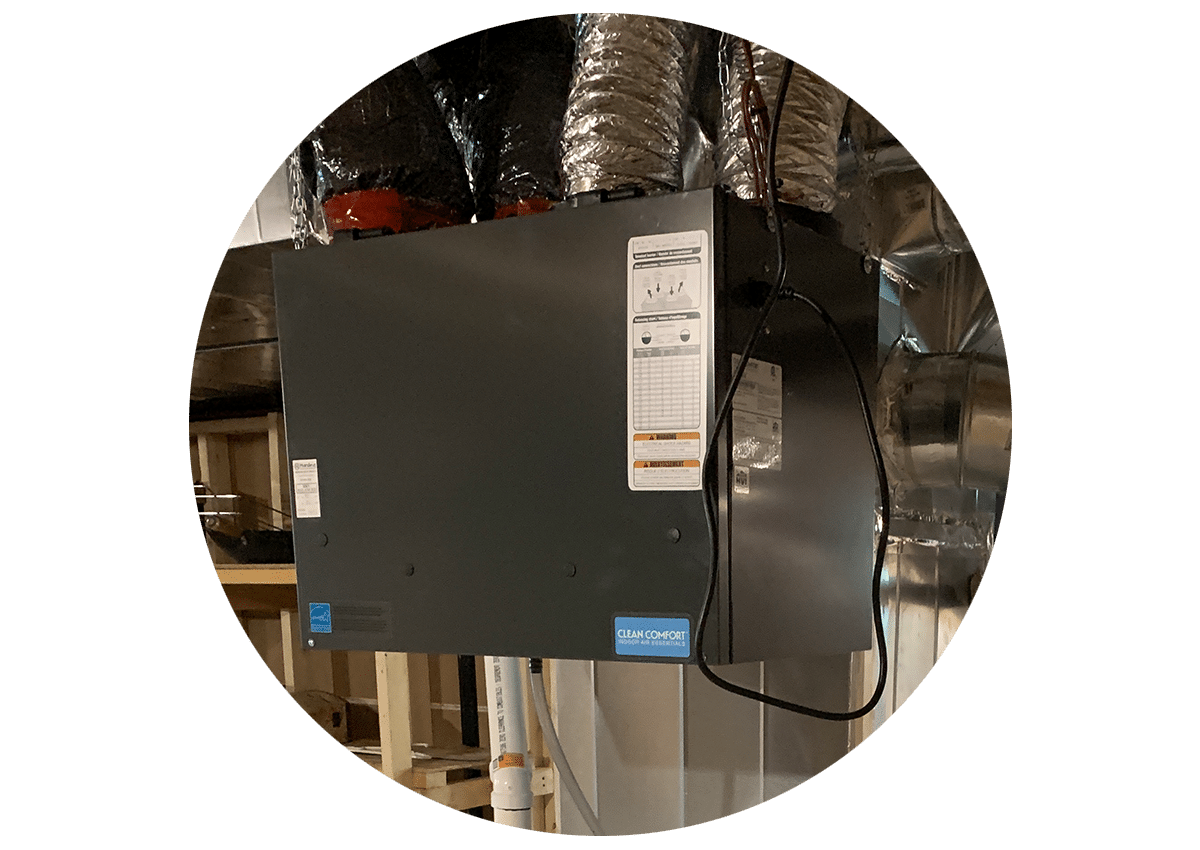
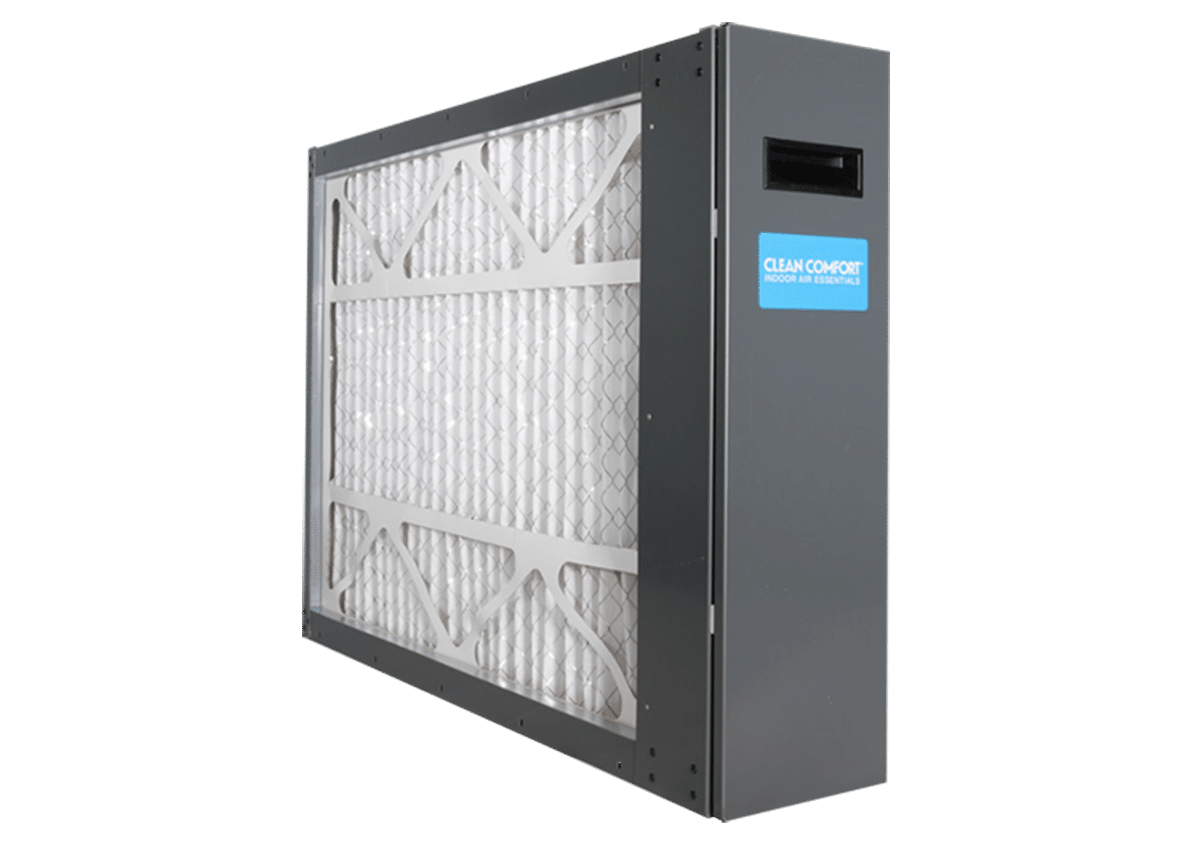
If you continue to burn wood, we recommend using a HEPA air purifier in the same room. This helps to capture any stray particles before they circulate through the rest of your home. Additionally, ensuring your HVAC filters are rated for high-efficiency particle removal can help protect your family throughout the winter.
Breathe Easy With Harding The Fireplace
Whether you are looking to maintain your current system or are considering an upgrade to a gas or electric model, our team is here to provide expert guidance.
Ready to prioritize your indoor air quality?
Visit our showroom at 200 Nipissing Ct, Kanata to explore our high-efficiency fireplace options and speak with a specialist.
Follow us on Instagram and Facebook!
Team Harding is Ottawa’s go-to destination for grills, fireplaces, and outdoor heat options. We’re stocked with the brands you know and love.