
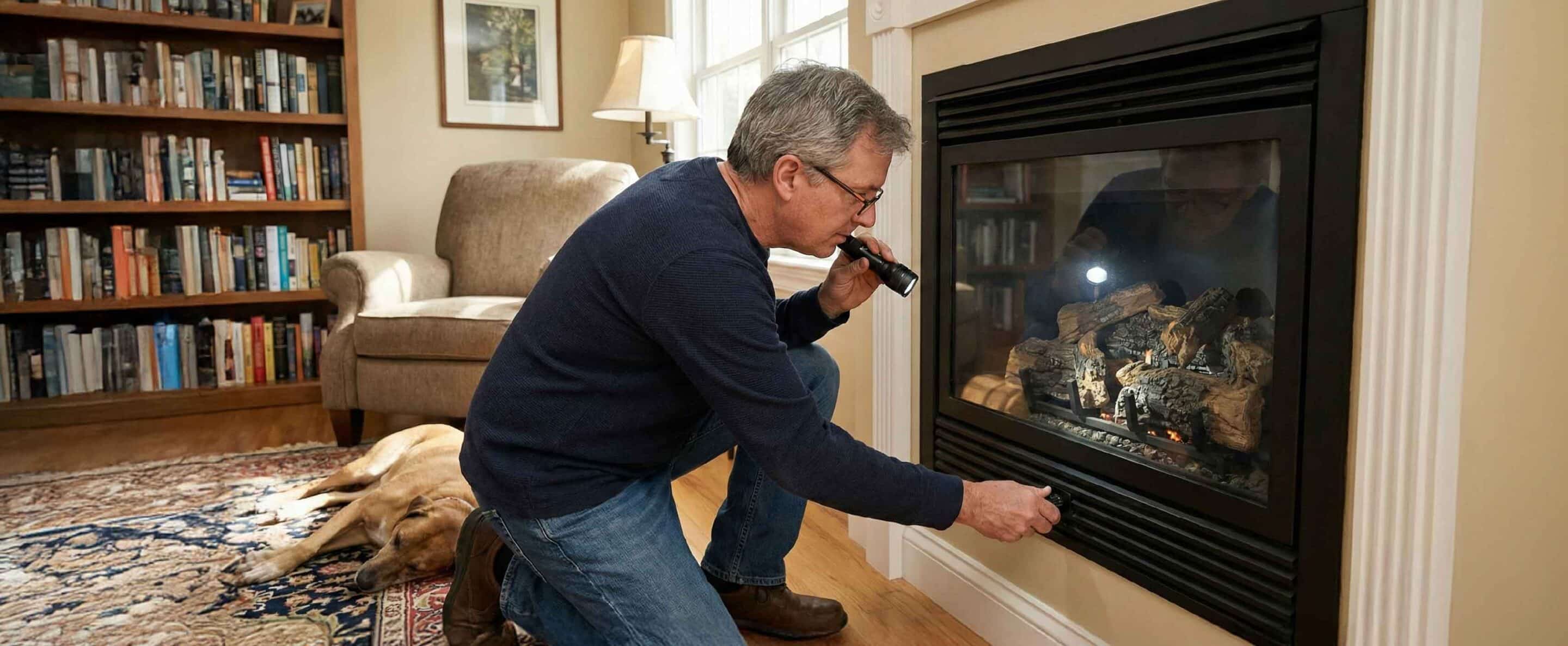



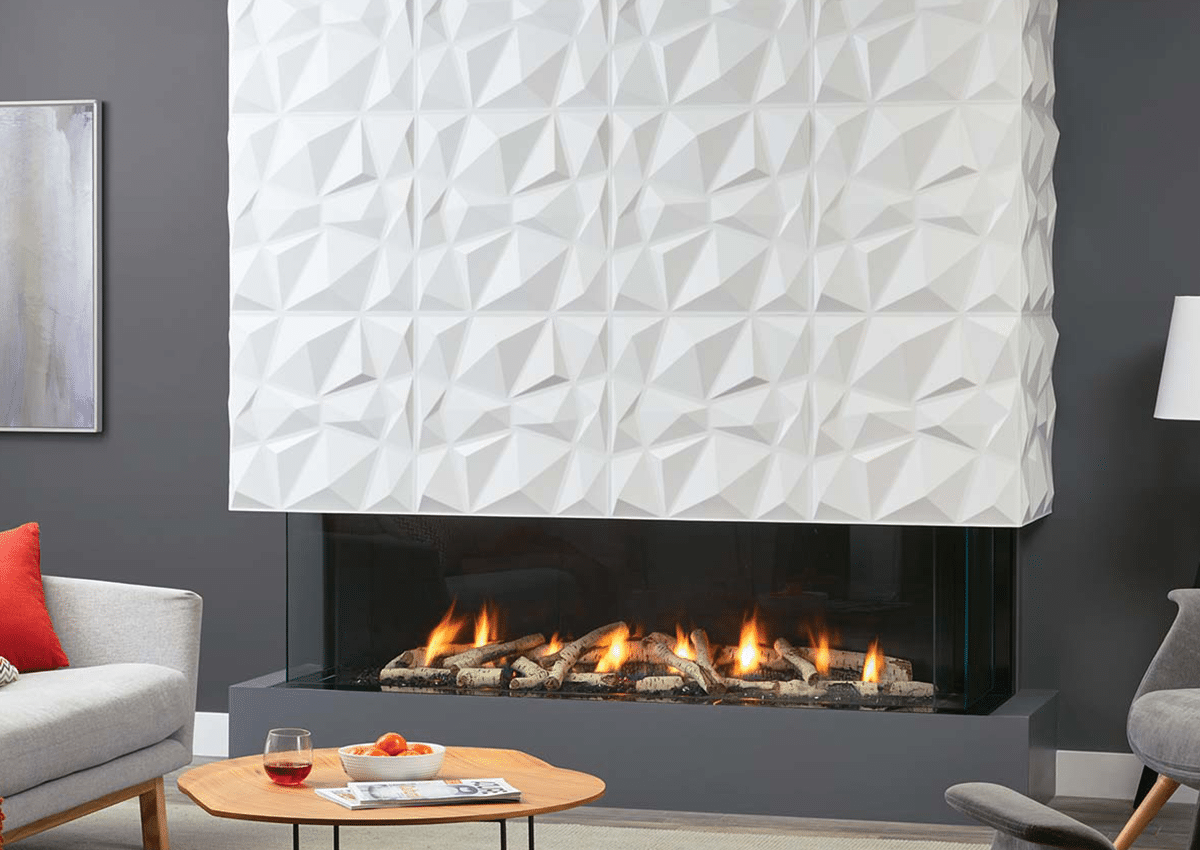
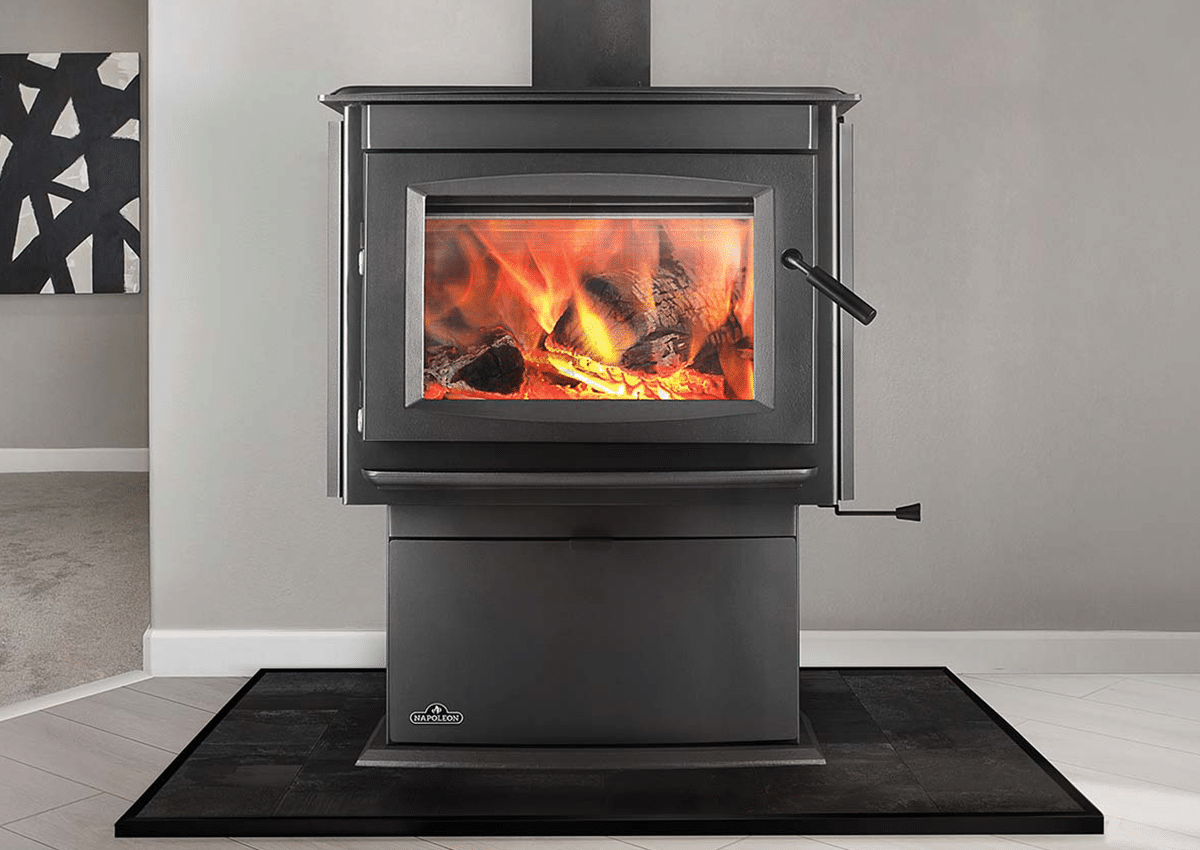
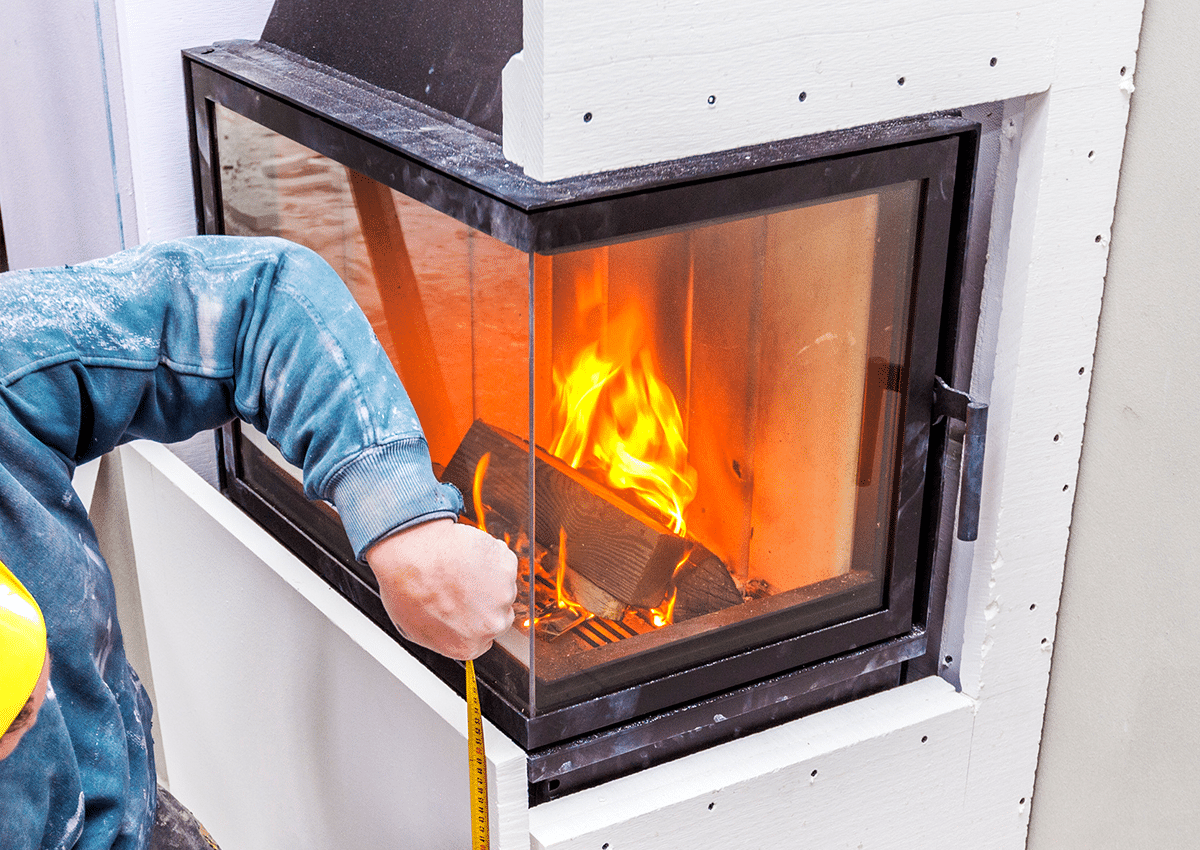








There’s nothing quite like the cozy ambiance of a gas fireplace on a cold evening. You settle in, click the remote, and watch the flames dance only for them to vanish a few minutes later.
If your gas fireplace keeps shutting off shortly after it starts, it is more than just a nuisance. It is a sign that your system’s safety or mechanical components need attention. At Harding The Fireplace, we want to help you get back to enjoying your home’s warmth.
Here are the most common reasons your gas fireplace is acting up and what you can do about it.
1. Dirty or Faulty Thermocouple
The thermocouple is a small sensor that sits next to your pilot light. Its job is to detect heat. If it senses the pilot light is on, it tells the gas valve to stay open.
- The Problem: Over time, carbon buildup (soot) can coat the thermocouple and insulate it from the heat. If it cannot feel the flame, it assumes the pilot is out and shuts off the gas for safety.
- The Fix: Sometimes a gentle cleaning with a soft brush or compressed air can remove the soot. However, if the sensor is bent or worn out, it will likely need a professional replacement.
2. Pilot Light Issues
A steady pilot light is the heart of your fireplace. If the pilot flame is weak, flickering, or lifting off the burner, it will not produce enough heat to satisfy the thermocouple.
- The Problem: Drafts from outside, debris in the pilot tubing, or low gas pressure can all cause a weak pilot.
- The Fix: Check for any visible obstructions around the pilot assembly. If you suspect a gas pressure issue or a persistent draft, a technician can adjust the pilot flame or check for leaks.
3. Blocked Venting System
Gas fireplaces require proper airflow to breathe and exhaust carbon monoxide safely.
- The Problem: Birds’ nests, leaves, or even heavy snow can block the exterior vent. Most modern fireplaces have safety sensors that will shut the unit down immediately if they detect a backup of exhaust gases.
- The Stay Safe Tip: Regularly check your exterior vent (on the side of your house or roof) to ensure it is clear of debris and snow.
4. Safety Sensors and Oxygen Depletion
Many units are equipped with an Oxygen Depletion Sensor (ODS). This is a life-saving feature that monitors the oxygen levels in the room.
- The Problem: If oxygen levels drop too low or if there is a buildup of carbon monoxide, the sensor triggers a hard shutdown.
- The Fix: If your fireplace shuts off and you notice the air feels stuffy, turn off the gas immediately and call a professional. This is a sign that your fireplace is not venting correctly.
5. Thermostat and Remote Issues
Sometimes the culprit is not the fireplace itself, but the way it is being told to run.
- The Problem: If your fireplace is connected to a wall thermostat, it might simply be reaching the set temperature and turning off. Alternatively, low batteries in your remote control or receiver box can cause a spotty signal, leading to unexpected shutdowns.
- The Fix: Try fresh batteries first. It is the simplest solution and fixes the problem more often than you would think.
Preventative Maintenance: Your Best Defense
Most of these issues can be avoided with an annual inspection and cleaning. Dust, pet hair, and soot naturally accumulate inside the unit over the summer months. Professional fireplace maintenance ensures that your sensors are clean, your glass is sealed, and your venting is clear before the first cold snap hits.
Is your fireplace still acting up? Don’t spend the winter in the cold. If you have checked the batteries and cleared the vents but the flames still will not stay lit, it is time to call in the experts.
Follow us on Instagram and Facebook!
Team Harding is Ottawa’s go-to destination for grills, fireplaces, and outdoor heat options. We’re stocked with the brands you know and love.